How Saudi Arabia Is Rewriting Football’s Financial Map

eyesonsaudi-arabia
Amsterdam, September 27, 2026 – There’s a moment every summer now when European football holds its breath. Another name gets whispered, another Saudi club is mentioned, another star quietly stops showing up to training. This year it was Tijjani Reijnders.
The move stunned people not because of the fee — Al-Qadsiah paid Manchester City a reported €61 million, big money but not outlandish by modern transfer standards — but because of what came next. Reijnders is set to earn over €100 million across a four-to-five-year deal, a fee that dwarfs the roughly €7 million a year he’d been making at City. This is a player at the peak of his career, at one of the best clubs on the planet, walking away for the desert.
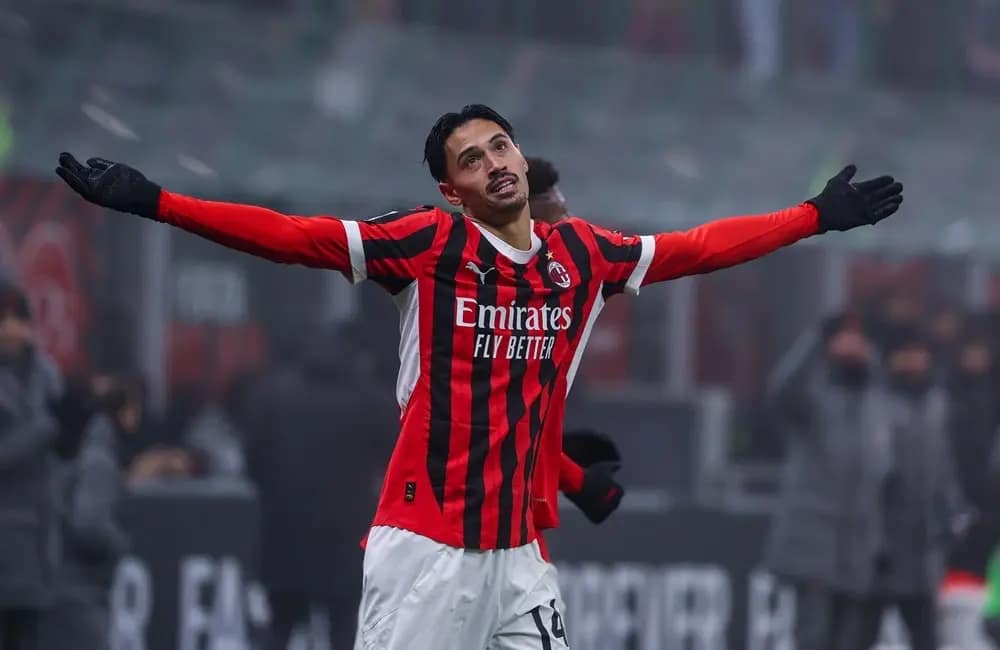
He isn’t the first Dutchman to make that walk. Two years earlier, Ajax captain Steven Bergwijn left for Al-Ittihad for €21 million, a move that effectively ended his Netherlands international career, according to national coach Ronald Koeman, who noted bluntly that “sporting ambition is not the main consideration” in these deals anymore.
The Numbers Behind the Narrative
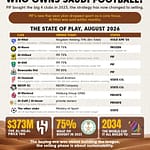
What’s happening isn’t really about individual transfers — it’s about a system. Saudi Pro League contracts now run three to five times larger than their European equivalents, and because salaries there are tax-free, a €100 million Saudi deal can deliver more net income than €180 million taxed in Spain or England. The math alone explains why players are listening.
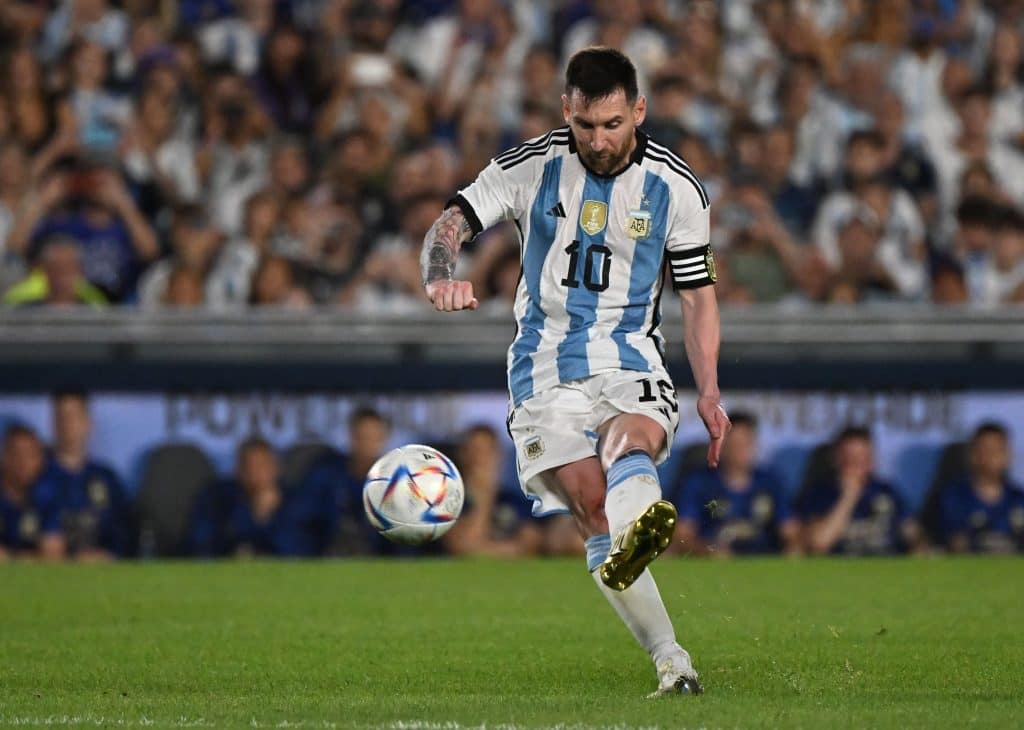
And the very top of the market is almost absurd. Lionel Messi was reportedly offered a $400 million annual contract to join the Saudi Pro League before ultimately choosing Inter Miami, while Cristiano Ronaldo’s own deal exceeded $200 million a year when he became the league’s marquee signing.
Crucially, this isn’t freelance ambition from individual clubs. Saudi Arabia’s Public Investment Fund treats football spending as an arm of the Vision 2030 diversification strategy — nation-building, not profit-seeking, which is precisely why the spending has been allowed to reach levels no private club could sustain. That’s the piece that makes this different from, say, a wealthy Russian oligarch buying one club. This is a state treating an entire league as strategic infrastructure — and pairing it with stakes in golf (LIV) and English football (Newcastle United’s Saudi-backed ownership), a pattern widely read as part of a broader push to reshape the landscape of global professional sports.
Is It Working?
Here’s where it gets genuinely interesting, though: the players themselves aren’t describing this as a cash grab and nothing more. Reijnders, a month into his new life in Dammam, offered a defense that a lot of critics don’t expect: he said coach Brendan Rodgers convinced him he could have “three or four very enjoyable years” there and still return to Europe afterward, adding “there are enough examples of that now.” He went further, arguing that with all the talent now in the league, he actually rates it above the Eredivisie, and that people should watch the football before judging it.
That’s a live argument, not a settled one. Reasonable people land in different places on it:
The “sportswashing” case holds that none of this is really about football at all — it’s a state using global sport’s emotional pull to launder its international image and diversify away from oil dependency, with competitive quality as a side effect rather than the goal.
The counter-case notes that leagues have always been built this way. The Premier League itself became the world’s richest through foreign investment (much of it from states with their own human-rights records under scrutiny), MLS built credibility by importing aging stars, and money flowing toward talent is just how football economics have always worked — the identity of the buyer is what’s new, not the mechanism.
There’s also a straightforwardly practical question hanging over all of it: whether the Saudi league can actually retain quality once the novelty fades and whether these players — mostly arriving in their late 20s and early 30s — represent a real talent pipeline or simply a well-paid retirement tour before a return to Europe, as Reijnders himself predicts for his own career.
Whether this counts as the Kingdom “buying” its way to dominance, or simply the latest — and largest — chapter in football’s long relationship with outside money, is something the sport will be arguing about for years yet.